For internationals · Neighbourhoods
Neighbourhoods in The Hague
Where you live in The Hague decides what kind of home you get: a 1900s townhouse, a villa near the dunes or a family home from the 2000s. This page compares the neighbourhoods with official figures, so you can see the differences before you start viewing.
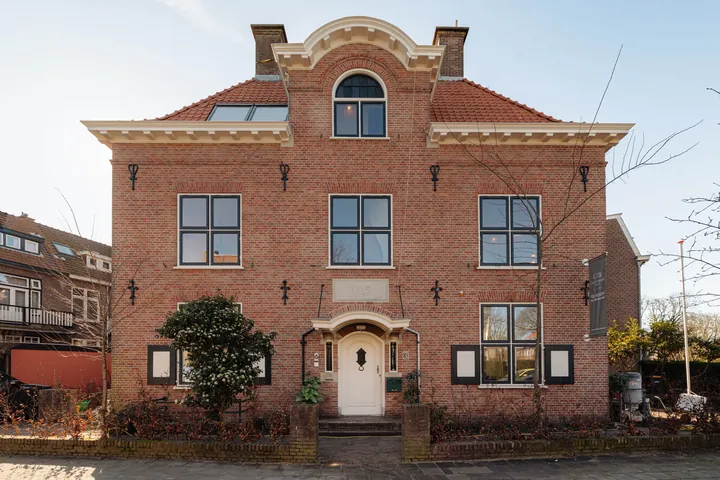
The Hague has 44 official neighbourhoods (wijken), from the city centre to the dunes and the suburbs built around 2000. They differ a lot: in some, almost every home is a privately owned family house; in others, most homes are rented flats. The figures below come from Statistics Netherlands (CBS) and the Dutch land registry, the same sources we use on our Dutch neighbourhood pages.
All neighbourhoods at a glance
The table lists every neighbourhood with at least 400 homes, ordered by average WOZ value: the value the municipality assesses each year for property tax, here on the valuation date of 1 January 2024. It is not an asking price, but it is the best official comparison between areas. For the whole city the average was €383,000.
| Neighbourhood | Homes | Average WOZ value | Owner-occupied | Single-family homes | Built before 1940 |
|---|---|---|---|---|---|
| Van Stolkpark en Scheveningse Bosjes | 436 | €979,000 | 58% | 26% | 62% |
| Vogelwijk | 2,170 | €939,000 | 90% | 73% | 71% |
| Zorgvliet | 418 | €939,000 | 68% | 16% | 43% |
| Westbroekpark en Duttendel | 1,387 | €752,000 | 61% | 28% | 24% |
| Kijkduin en Ockenburgh | 1,673 | €670,000 | 53% | 49% | 4% |
| Archipelbuurt | 3,764 | €658,000 | 56% | 25% | 65% |
| Benoordenhout | 7,886 | €654,000 | 69% | 27% | 58% |
| Geuzen- en Statenkwartier | 7,565 | €620,000 | 59% | 27% | 77% |
| Kraayenstein en Vroondaal | 4,109 | €594,000 | 69% | 64% | 1% |
| Willemspark | 1,218 | €564,000 | 40% | 18% | 59% |
| Duinoord | 4,698 | €546,000 | 52% | 11% | 67% |
| Belgisch Park | 4,165 | €541,000 | 61% | 20% | 57% |
| Ypenburg | 9,764 | €516,000 | 57% | 76% | 0% |
| Leidschenveen | 7,457 | €510,000 | 66% | 75% | 0% |
| Wateringse Veld | 8,708 | €479,000 | 61% | 68% | 1% |
| Hoornwijk | 418 | €478,000 | 43% | 41% | 13% |
| Vruchtenbuurt | 4,600 | €443,000 | 79% | 17% | 90% |
| Zeeheldenkwartier | 6,868 | €437,000 | 34% | 10% | 65% |
| Bomen- en Bloemenbuurt | 7,795 | €428,000 | 69% | 14% | 70% |
| Scheveningen | 10,984 | €425,000 | 49% | 17% | 57% |
| Bezuidenhout | 10,853 | €390,000 | 44% | 6% | 52% |
| Regentessekwartier | 7,774 | €389,000 | 35% | 12% | 72% |
| Binckhorst | 1,902 | €386,000 | 8% | 5% | 0% |
| Duindorp | 2,840 | €377,000 | 43% | 28% | 54% |
| Centrum | 13,893 | €375,000 | 21% | 7% | 44% |
| Bohemen en Meer en Bos | 3,119 | €363,000 | 63% | 9% | 6% |
| Valkenboskwartier | 9,878 | €333,000 | 49% | 7% | 93% |
| Loosduinen | 8,751 | €325,000 | 48% | 36% | 16% |
| Groente- en Fruitmarkt | 1,711 | €313,000 | 38% | 27% | 39% |
| Waldeck | 10,020 | €308,000 | 43% | 18% | 13% |
| Mariahoeve en Marlot | 8,931 | €301,000 | 39% | 12% | 3% |
| Haagse Bos | 419 | €295,000 | 44% | 0% | – |
| Stationsbuurt | 7,165 | €289,000 | 14% | 9% | 38% |
| Leyenburg | 8,492 | €282,000 | 55% | 10% | 24% |
| Transvaalkwartier | 6,205 | €276,000 | 28% | 15% | 47% |
| Bouwlust | 12,877 | €275,000 | 26% | 18% | 0% |
| Schildersbuurt | 12,740 | €269,000 | 19% | 14% | 27% |
| Morgenstond | 10,161 | €262,000 | 24% | 10% | 1% |
| Rustenburg en Oostbroek | 8,529 | €255,000 | 53% | 9% | 96% |
| Laakkwartier en Spoorwijk | 21,095 | €249,000 | 29% | 10% | 52% |
| Moerwijk | 10,585 | €230,000 | 17% | 9% | 10% |
Sources: CBS, Kerncijfers wijken en buurten 2025 (homes, owner-occupied, single-family homes) and WOZ value on 1 January 2024; construction years from the Dutch land registry (BAG) via PandAtlas. Neighbourhood names link to our Dutch pages with more figures.
Villa and garden districts
The highest values are found between the city centre and the dunes. Van Stolkpark en Scheveningse Bosjes is a small villa park with an average WOZ value of €979,000. In the Vogelwijk (€939,000), 73% of homes are single-family houses and 90% are owner-occupied; 71% were built before 1940. Benoordenhout, in the north-east of the city, is larger: almost 7,900 homes, half of them from 1937 or earlier and about a quarter single-family houses, at an average of €654,000.
Pre-war townhouses and apartments
Most of the late 19th and early 20th century city lies in a ring around the centre. In the Geuzen- en Statenkwartier 77% of homes were built before 1940, and half of all homes date from 1914 or earlier. In Duinoord and the Zeeheldenkwartier half of the homes date from 1905 or earlier, in the Archipelbuurt from 1900 or earlier. Most homes here are apartments; single-family houses make up only 10 to 27%. Homes are also smaller than in the suburbs: the median size is 77 to 107 m², against around 120 m² in Ypenburg or Leidschenveen. If you plan to renovate, read our Dutch guides on building permits and listed buildings.
By the sea
Scheveningen is the largest seaside neighbourhood, with almost 11,000 homes and an average WOZ value of €425,000. Kijkduin en Ockenburgh, further south along the coast, is much newer (half of the homes date from 1993 or later) and more expensive at €670,000. Duindorp, the old fishing village next to the harbour, averages €377,000.
Family homes from the 2000s
On the south-eastern edge of the city, Ypenburg, Leidschenveen and Wateringse Veld were mostly built between 2000 and 2020. Around three quarters of the homes in Ypenburg and Leidschenveen are single-family houses, with a median size of around 120 m². Average WOZ values are €479,000 to €516,000. Kraayenstein en Vroondaal, in the south-west, combines the same type of home with higher values (€594,000).
City centre and new urban areas
The Centrum has almost 14,000 homes, but only 21% are owner-occupied: most are rented apartments. The Binckhorst, a former industrial area between the centre and Voorburg, is the newest neighbourhood of the city; half of its homes were built in 2023 or later, and only 8% are owner-occupied so far.
International schools
For many families the school decides the neighbourhood. These international schools are in or near The Hague (addresses from the schools' own websites):
- British School in the Netherlands: Junior School at Vlaskamp 19, The Hague; Senior School at Jan van Hooflaan 3, Voorschoten.
- American School of The Hague: Rijksstraatweg 200, Wassenaar.
- International School of The Hague: Wijndaelerweg 11, The Hague.
- European School The Hague: primary at Houtrustweg 2, secondary at Oostduinlaan 50, The Hague.
- Lycée Français Vincent van Gogh: Scheveningseweg 237, The Hague.
- Deutsche Internationale Schule Den Haag: Van Bleiswijkstraat 125, The Hague.
- HSV International Primary School: four locations in The Hague, including Nassaulaan 26.
The municipality of The Hague and The Hague International Centre keep full lists, including Dutch schools with an international stream. Check admission and waiting lists with the school before you choose a home.
Frequently asked questions
Which neighbourhoods in The Hague are the most expensive?
By average WOZ value on 1 January 2024: Van Stolkpark en Scheveningse Bosjes (€979,000), Zorgvliet and the Vogelwijk (€939,000 each), Westbroekpark en Duttendel (€752,000) and Kijkduin en Ockenburgh (€670,000). The city average was €383,000.
Where do I find family homes with a garden in The Hague?
The highest shares of single-family houses are in Ypenburg (76%), Leidschenveen (75%), the Vogelwijk (73%), Wateringse Veld (68%) and Kraayenstein en Vroondaal (64%). Across the city, 21% of homes are single-family houses.
Where are the old townhouses in The Hague?
In the ring around the centre. 90% or more of the homes were built before 1940 in Rustenburg en Oostbroek, the Valkenboskwartier and the Vruchtenbuurt; in the Geuzen- en Statenkwartier it is 77%, and in Duinoord, the Archipelbuurt and the Zeeheldenkwartier around two thirds.
Is buying or renting more common in The Hague?
Renting: 43% of homes in The Hague are owner-occupied and 57% are rented, 30% from housing associations and 27% from private landlords. In the villa districts and the 2000s suburbs most homes are owner-occupied; in the centre most are rented.
Sources: CBS, Kerncijfers wijken en buurten 2025 and WOZ values (valuation date 1 January 2024); construction years from the land registry (BAG) via PandAtlas; addresses from the websites of the schools; Gemeente Den Haag, International education in The Hague; The Hague International Centre. Consulted on 20 November 2026.
Last updated: . This page gives general information, not tax or legal advice.